Movement and Neurodiversity.
Purposeful movement gives neurodivergent children more opportunities to participate, practice skills, and build confidence.
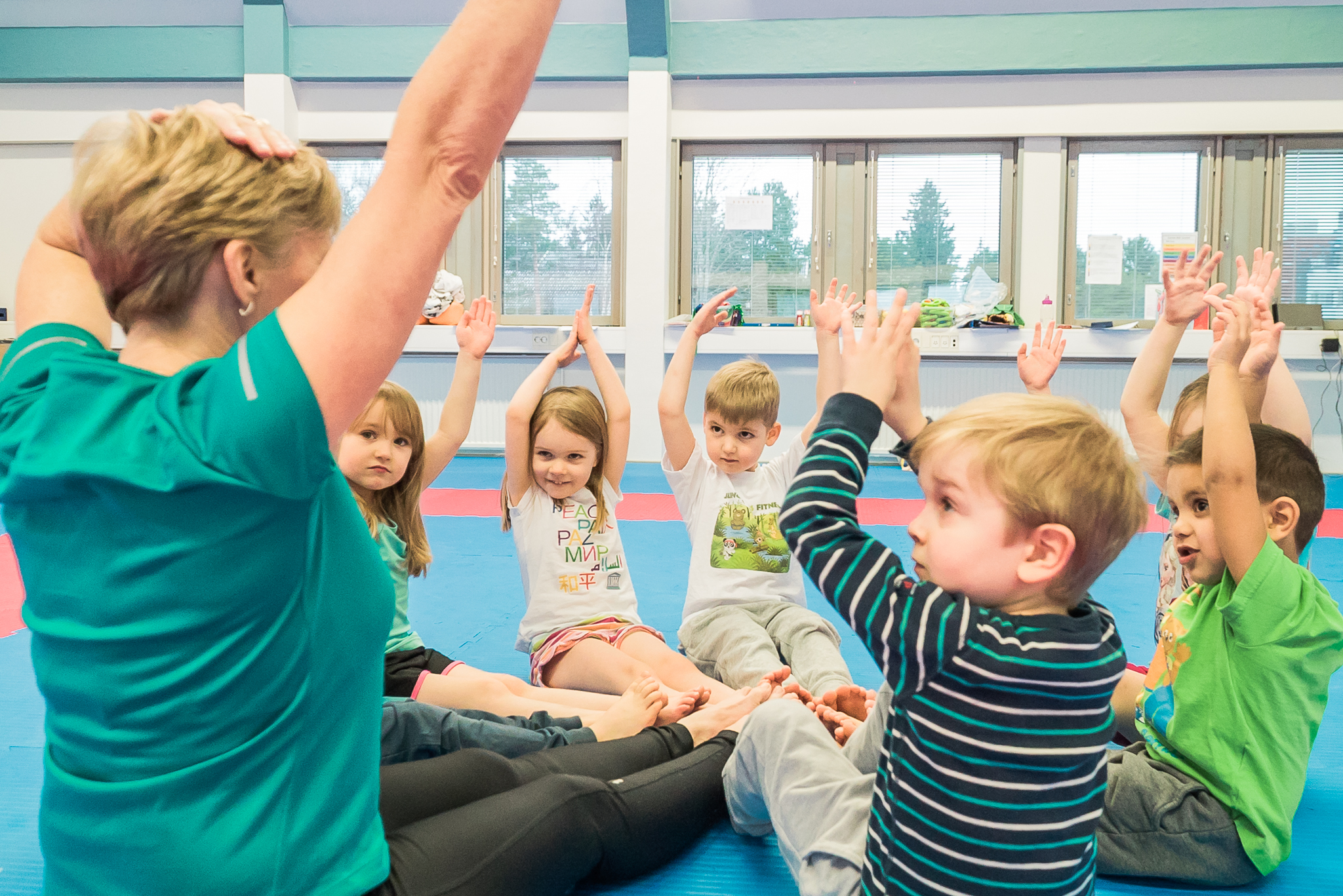
Why movement matters for neurodivergent children
Movement is an important part of every child’s physical development.
Children learn fundamental skills such as balance, locomotion, object control and spatial awareness through varied movement experiences.
For neurodivergent children, the experience may look different from child to child. The aim is to provide purposeful movement opportunities that can be adapted to the child’s abilities, responses, confidence, and stage of development.
The MoovKids approach encourages adults to observe the child, understand their starting point, and adjust the activity where needed.
A single purposeful movement activity gives a child the opportunity to develop multiple skills at once.
Supporting neurodivergent children through movement
Neurodivergent children, including children with ADHD and children on the spectrum, may experience and respond to movement activities in different ways.
Some children may join an activity immediately, while others may need more time to observe first before participating. A child taking time to join does not necessarily mean they are unable or unwilling. Sometimes the adult needs to provide a clear entry point through demonstration and encouragement.
The MoovKids approach focuses on making purposeful movement activities easy to understand, to implement, and to adapt to encourage participation.
Physical exercise significantly improves executive function. This can alleviate symptoms of developmental coordination disorder, concentration and behavior, and self-regulation challenges.
Results are best achieved when children do the physical exercises they enjoy most.
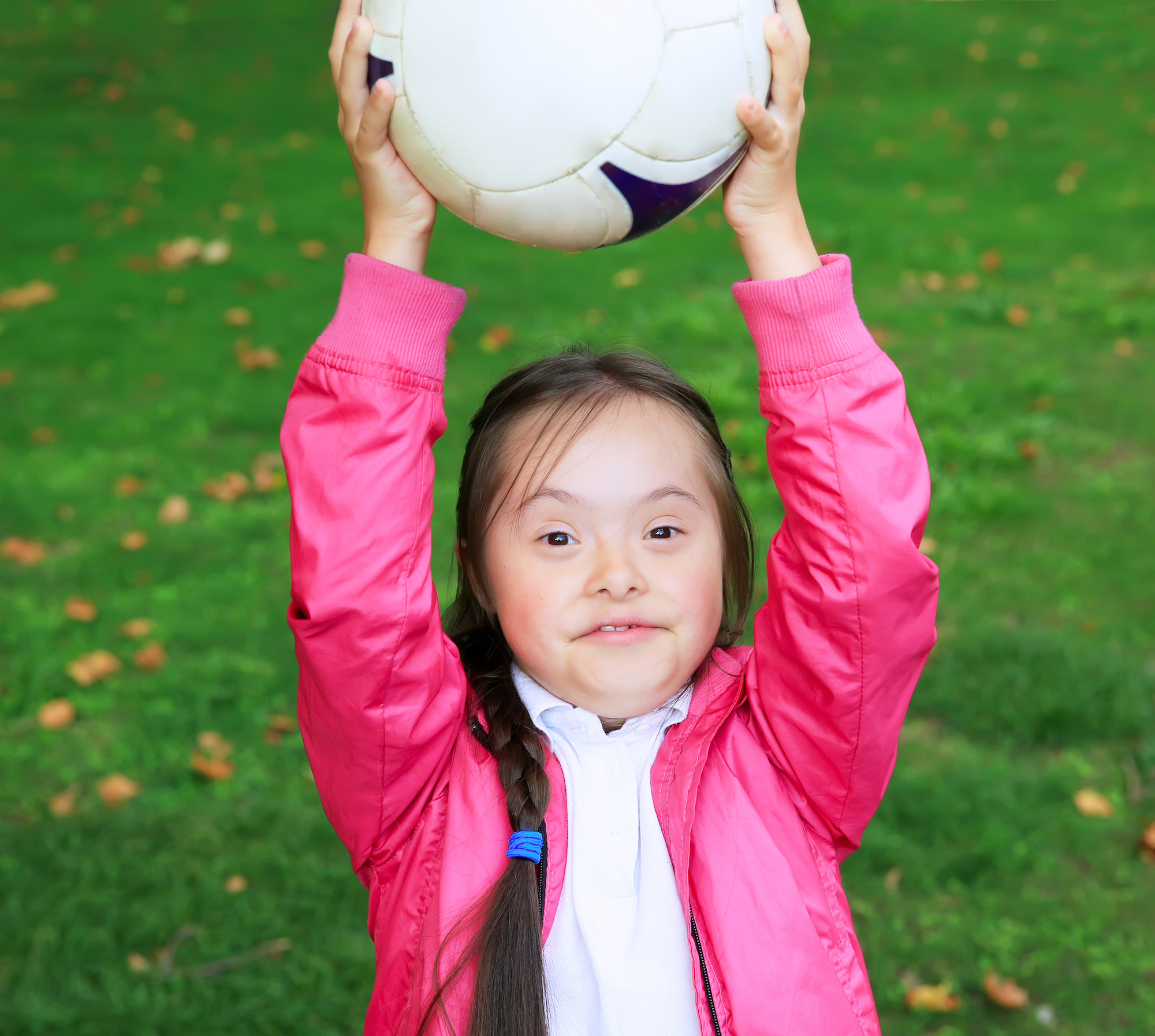
Practical strategies for Inclusive Movement Instruction
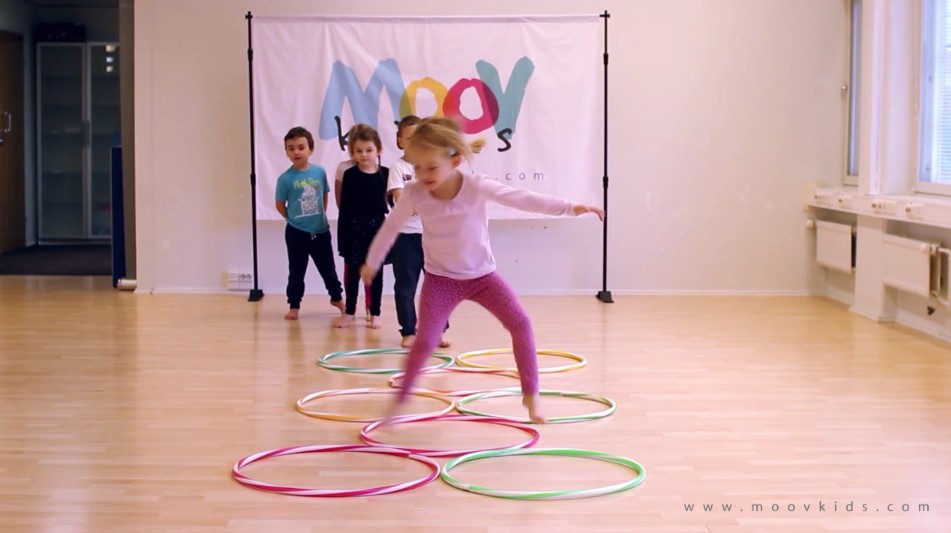
LET CHILDREN
OBSERVE
Why watching first is essential for successful participation?
A less confident child needs to clearly understand what is expected of them before they participate. This can be achieved by having them watch others do the activity first.
If children will take turns, do not let an unsure child go first. Give them the opportunity to watch others before it is their turn. For partner activities, select a partner whom you know will support and assist if needed. Or partner the child yourself.
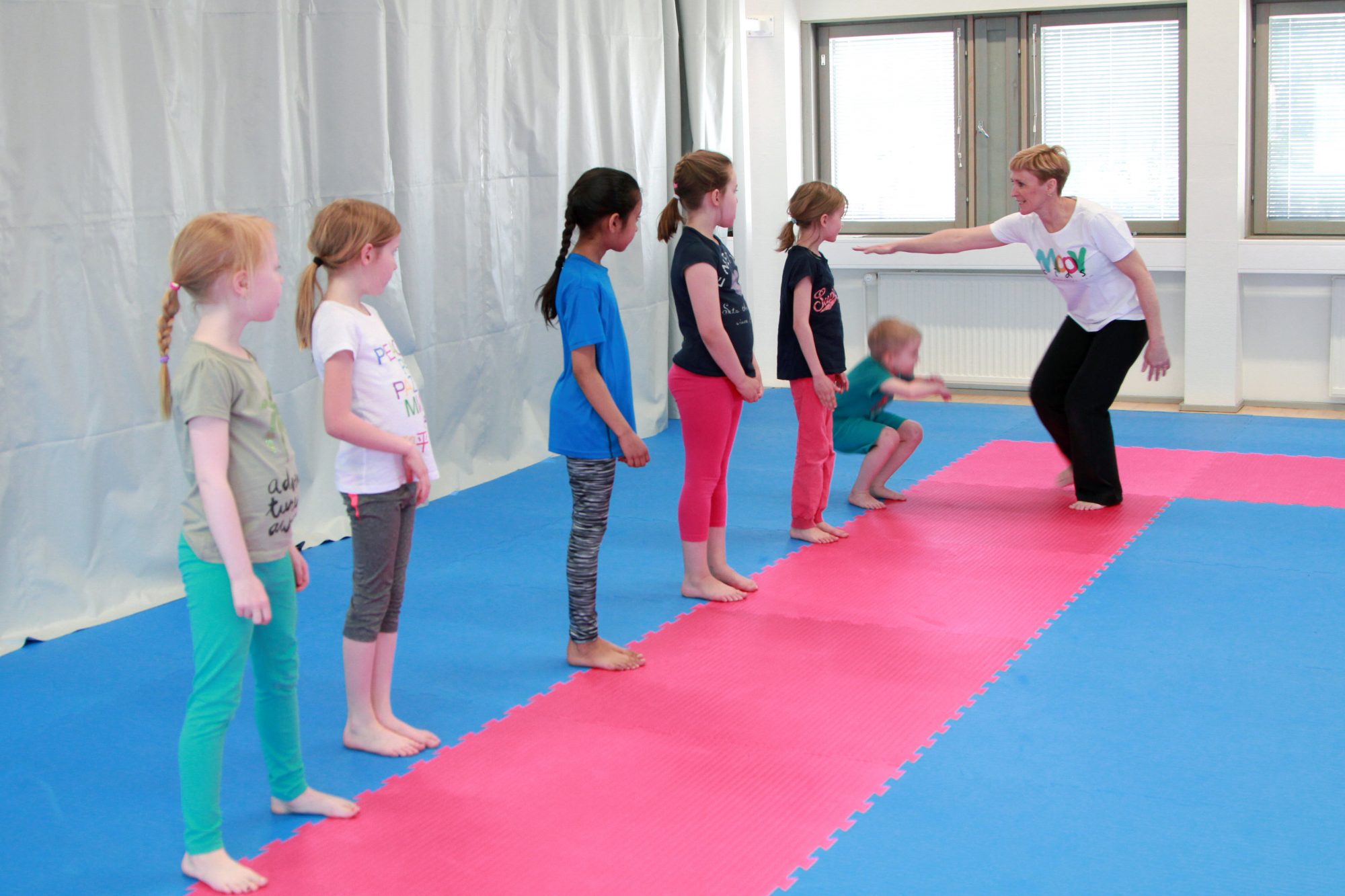
DEMONSTRATE
CLEARLY
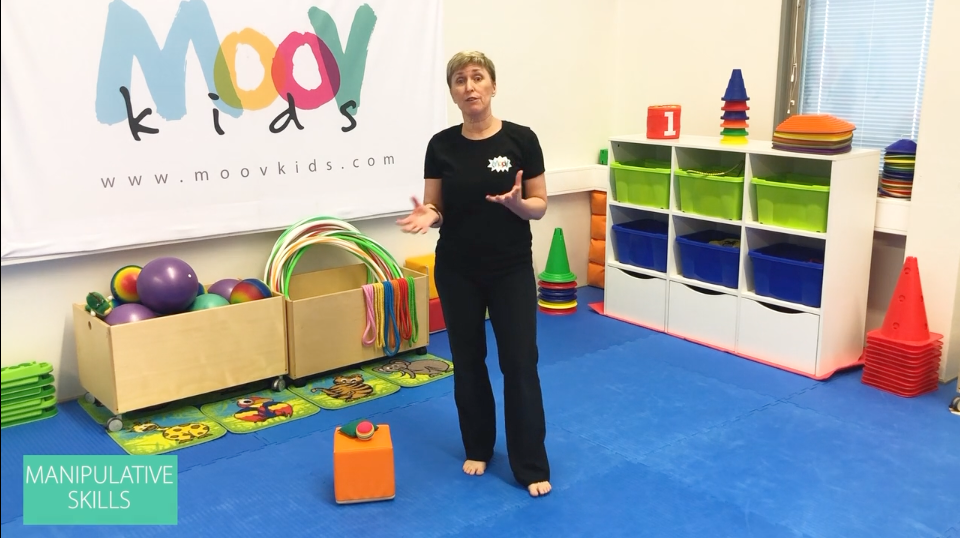
If unable to demonstrate the activity yourself, there are alternate ways to do so.
- Use children to demonstrate.
- If you have a video of the activity, you can sit the children down, have them watch the video, and bring their attention to the important points.
Explain each step clearly and in sequential order. Ensure all understand where to start, what to do, and what the activity looks like from start to finish. Demonstrate 2 or 3 times if needed.
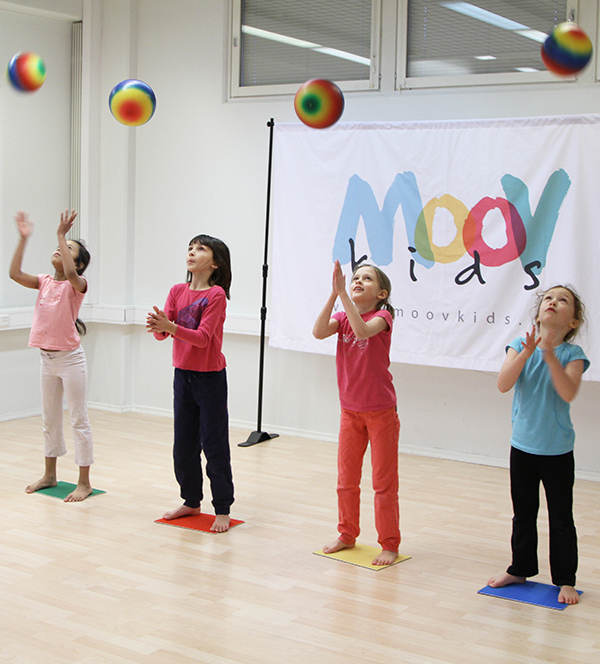
USE
REPETITION
Learn how this develops competence and confidence.
Repeating familiar activities gives children opportunities to practice and build familiarity. Doing an activity well gives a sense of accomplishment, which leads to self-confidence.
If a child constantly tries new activities, they become a master of none. Helping each child complete every activity well will help them thrive and progress.
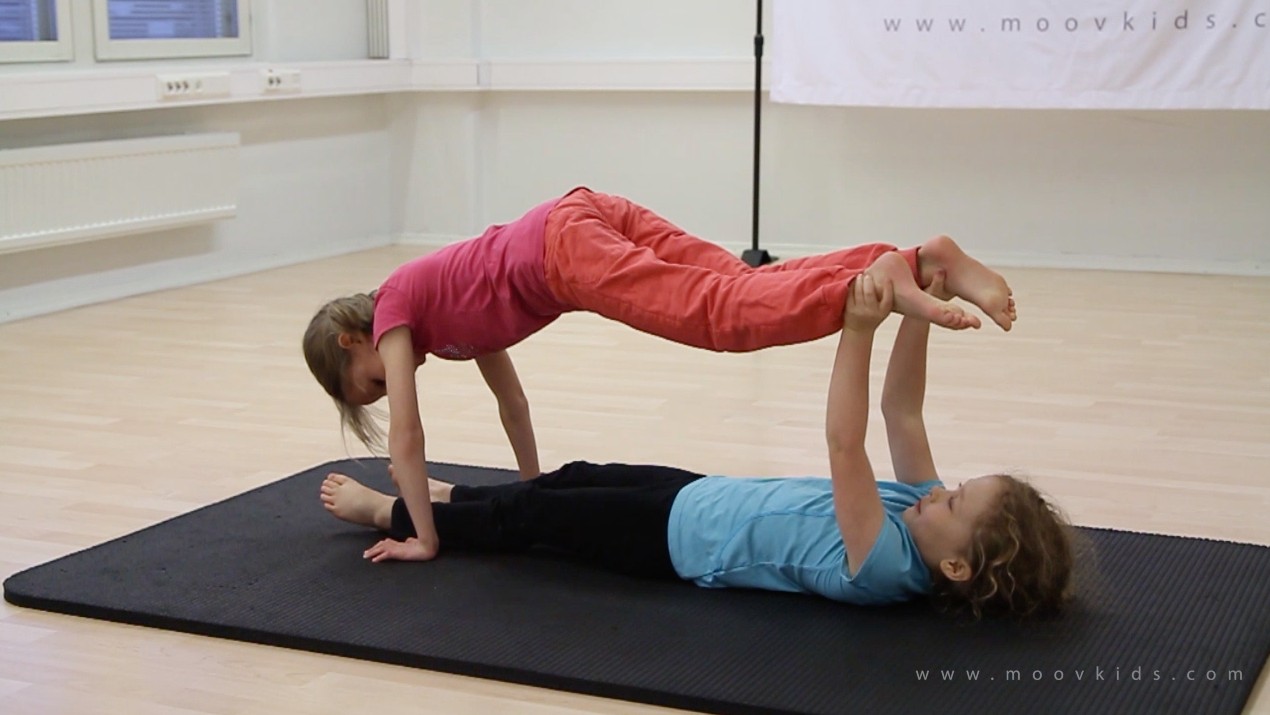
MAKE THE STARTING
POINT ACHIEVABLE
Start simple and build from there!
Choose an achievable starting point for activities. It is best for children to experience progress before increasing the challenge.
If the children seem to struggle from the start, stop the activity and consider how to make it simpler. Depending on the activity type, adjust the distance, object, or target size. Or have the children practice just one or two steps and advance on it at a later time.
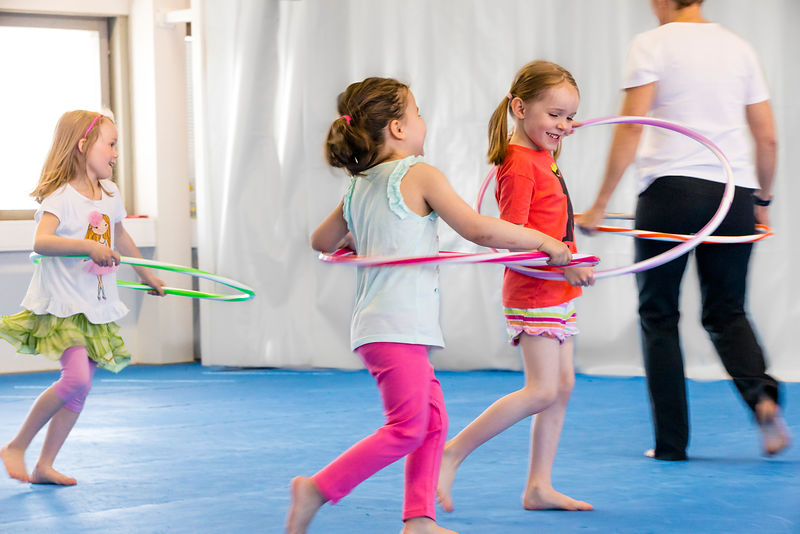
THOUGHTFUL CLASS
MANAGEMENT
How you group children can make all the difference.
Once you understand the ability levels of your group or class, you can then group them accordingly.
Assign activities to suit each group’s ability level so everyone can progress at a manageable pace. Keeping in mind that those who struggle need movement the most. Assign someone to assist a particular child whenever possible.
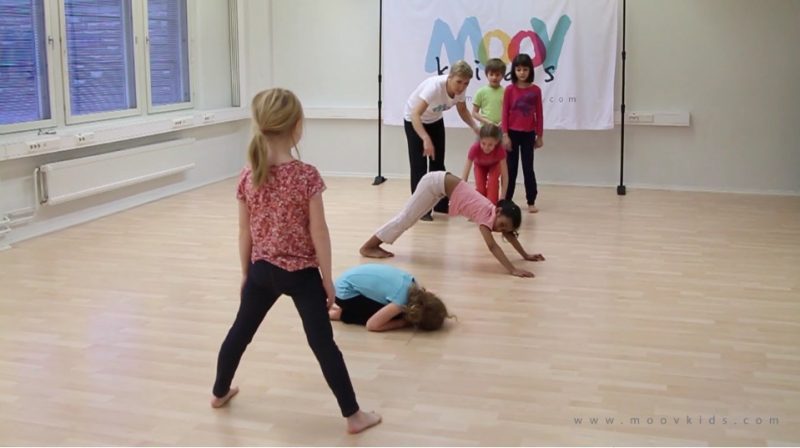
KEEN
OBSERVATION
Observe, support, and respond to each child.
It is best to be in a position where you can see everyone to monitor all activity and react swiftly if needed. By continually scanning the room, you can also notice who needs extra support.
When working with a group on individual activities, placing those who struggle directly within your view is crucial to supporting that child. Saying their name often and praising generously is essential for successful participation.
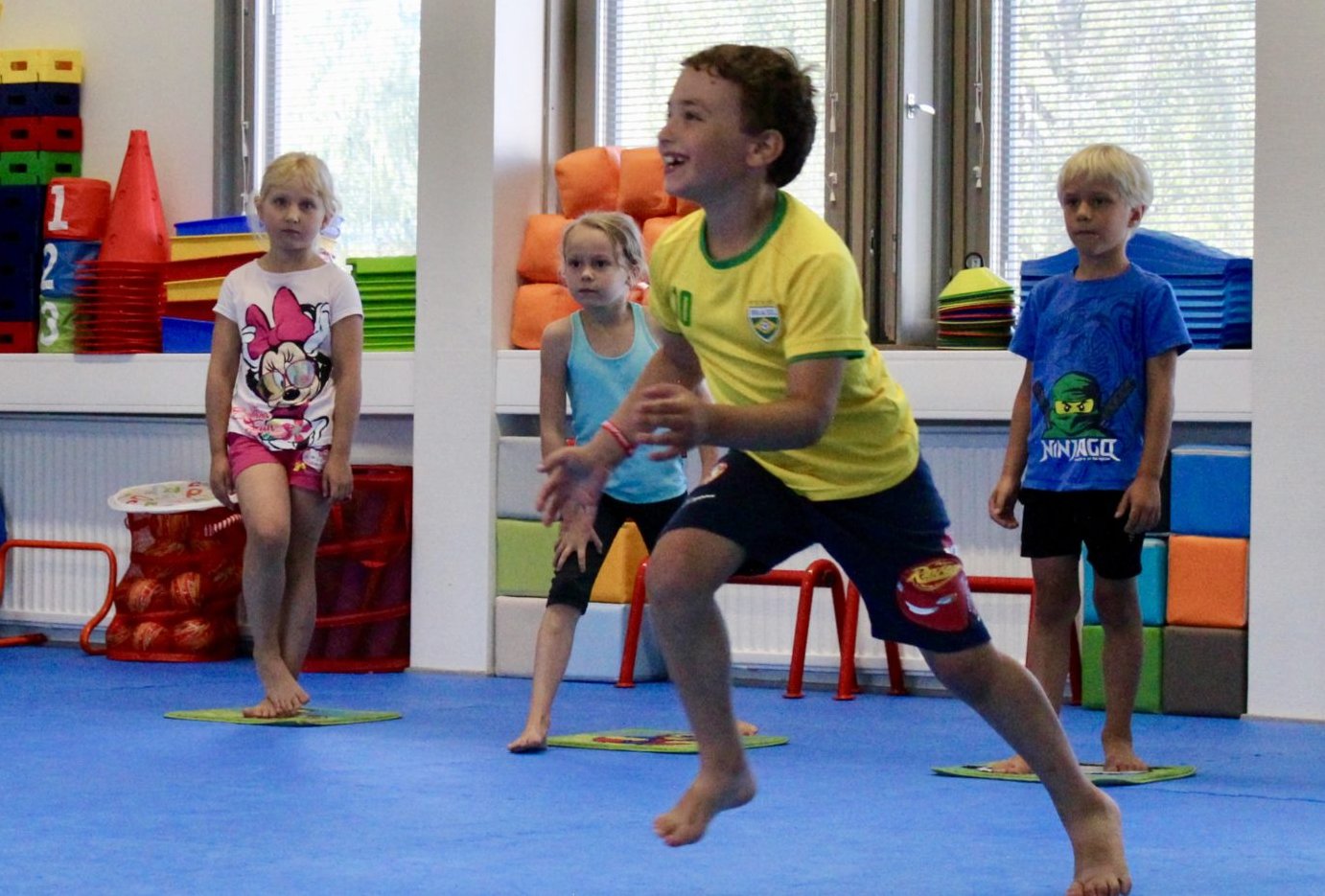
A practical approach to movement
In physical education and movement teaching, inclusion means ensuring that every child, regardless of skill level, neurotype, motor development, or physical capability, can meaningfully participate, learn, and experience success in the same activity alongside their peers.
It is not about forcing every child to do the exact same movement in the exact same way, nor is it about placing a child in the room while they do something entirely isolated.
Instead, it is about adapting the task, environment, or expectations so the activity’s core intent is accessible to all.
Supporting the child starts with supporting the adult
We are responsible for ensuring every child in our care learns to move daily and move well. Movement isn’t optional. It’s the neural engine that powers learning.
Darlene Koskinen created MoovKids from decades of experience teaching children and helping them develop movement skills through purposeful activities, demonstration, observation, practice, and encouragement. Her goal is to help educators understand how to teach movement more effectively so more children have the opportunity to participate and progress.
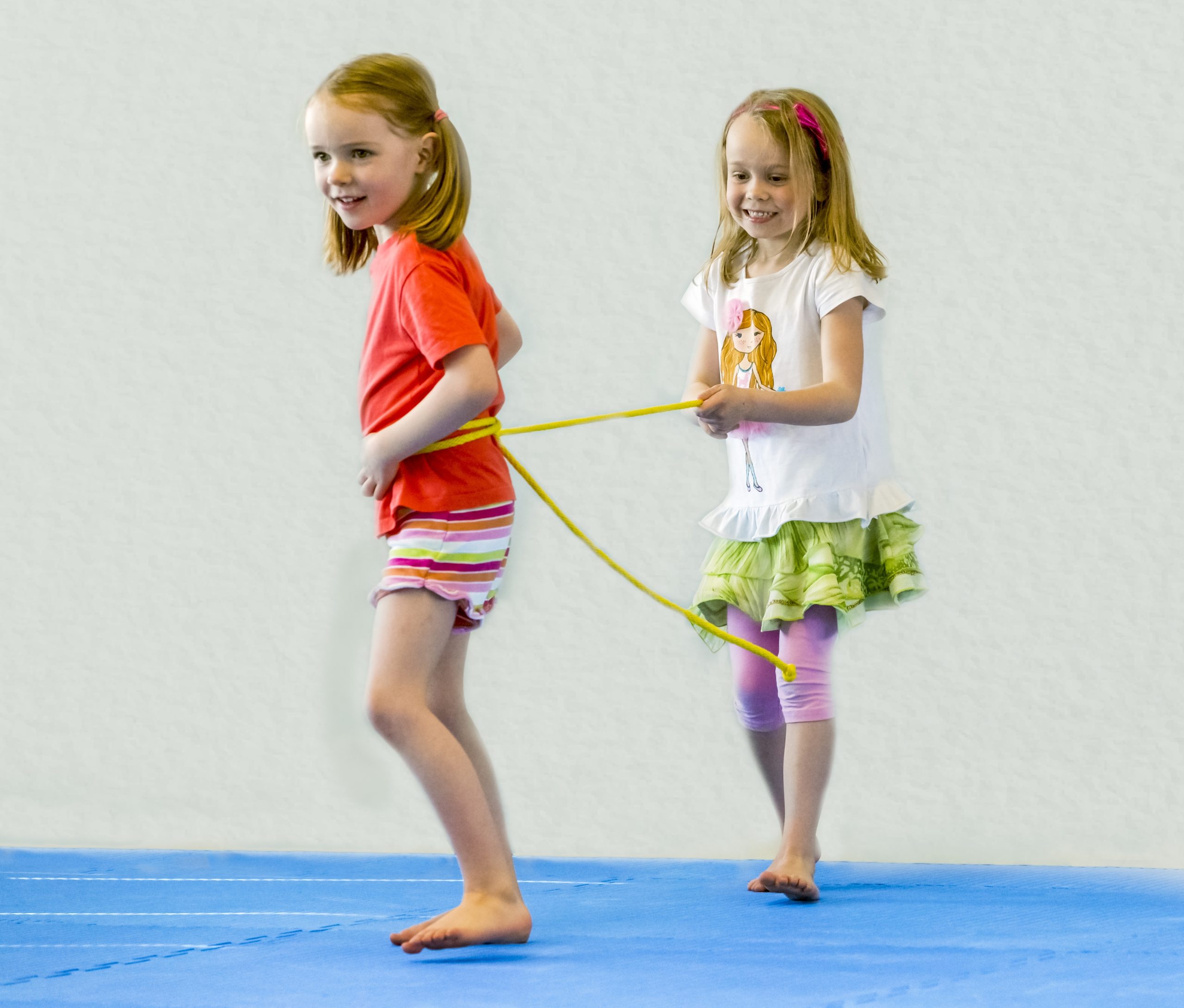
Put purposeful movement into practice
MoovKids offers practical movement support for individuals and organizations working with young children.
MoovKit
For individual users
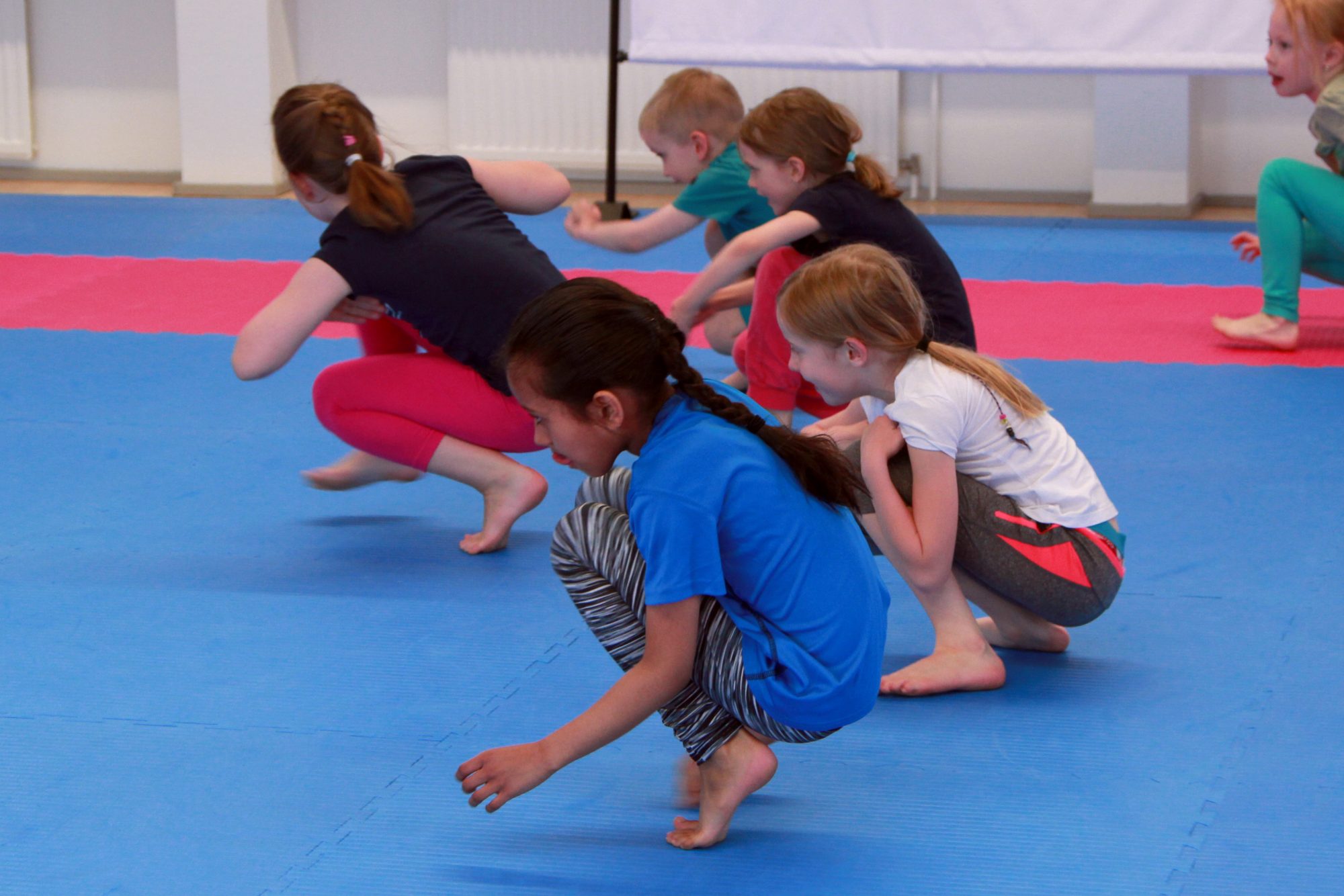
Parents, homeschoolers, individual educators, coaches, therapists, and other child-focused professionals can explore practical movement activities with short instructional videos and clear guidance.
MoovCenters
For early years organizations
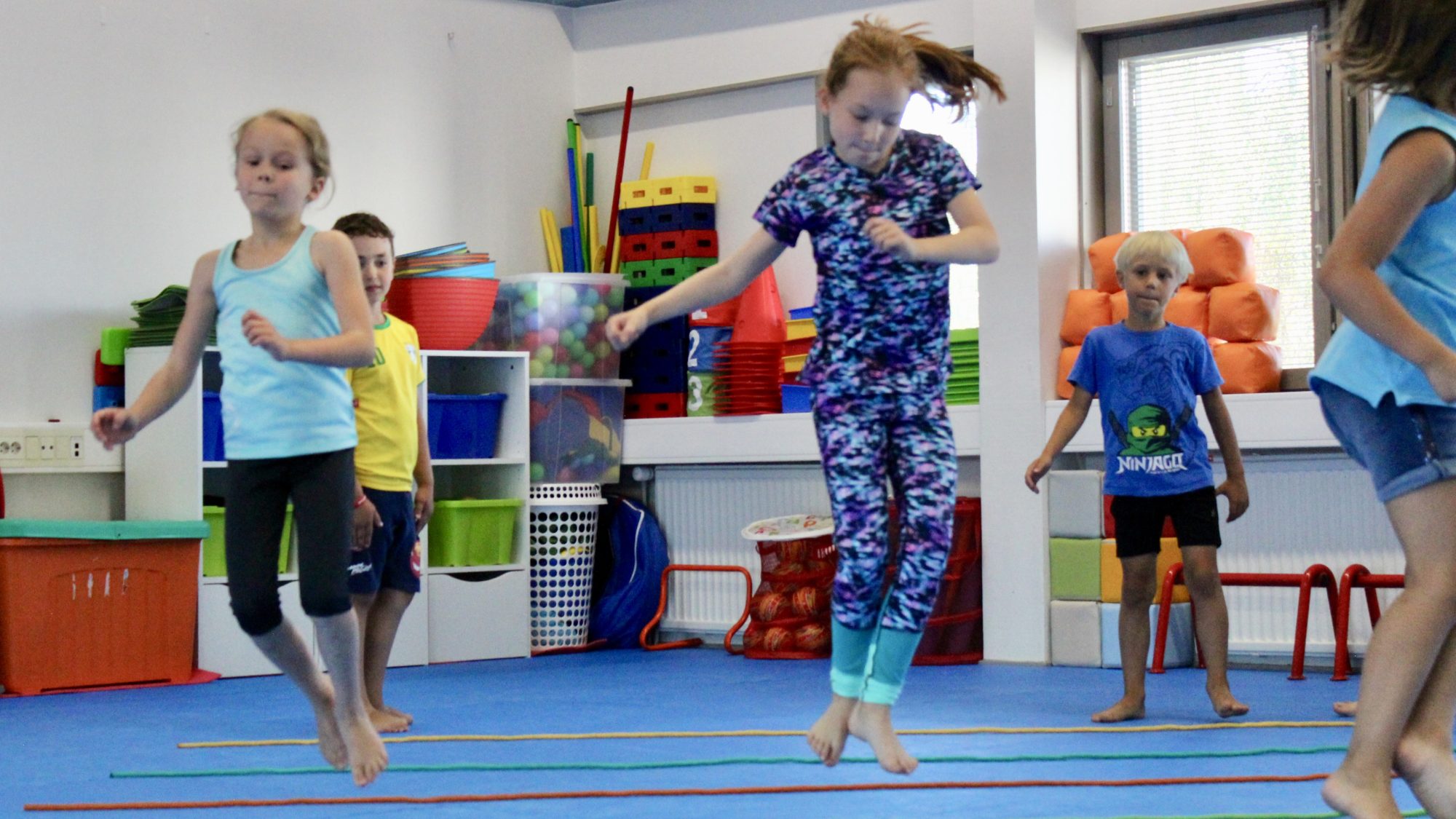
Kindergartens, nurseries, schools, and after-school programs can access movement activities, instructional videos, and practical educator resources for their team.
MoovEducators
For teams that want more guidance
Early years organizations can receive movement training, implementation support, mentoring, and direct guidance from Darlene.
Frequently asked questions
How can movement support neurodivergent children?
Children with difficulties often have a weakened nervous system. The architecture of a well-functioning nervous system is designed by the movement experiences a child has in the early years. Therefore, exposure to and repetition of a wide variety of movement experiences is essential to strengthen weaker areas so a child can function and develop well.
What are good movement activities for neurodivergent children?
All activities are good for any child, no matter their differences. Every activity has multiple benefits. The strength is in the diversity of movement experiences to support all-round physical development. A child can then strengthen weaker areas and improve in areas where they were struggling.
How can I adapt movement activities for a child on the autism spectrum?
Start with activities that are achieved with ease. Observe how the activity is performed and if the child has any difficulty performing it. Adapt the activity if needed and repeat, or take the activity to the next professional level. Always monitor progress, the child’s engagement, and their emotions, and act accordingly.
Are movement breaks helpful for children with ADHD?
Short opportunities to move are essential for any child. However, for children with ADHD, movement spurts are essential. Sitting still for long periods results in tired bodies and inattentive brains. A few minutes of movement is all the brain needs to revive and be ready to listen, learn, and complete tasks.
Do I need specialist movement training?
You do not need to be a movement specialist to begin introducing simple movement activities. MoovKids provides instructional videos, practical guidance, and resources to support parents and educators in teaching movement with confidence and ease.
Research & further reading
MoovKids is shaped by Darlene Koskinen’s extensive practical experience teaching movement to children. Where this page discusses broader research relating to neurodiversity, physical activity, and child development, the following research provides useful further reading.
Physical activity, executive function, and ADHD
Research reviews indicate that physical exercise does support aspects of executive function and ADHD symptoms in children. These include planning, problem-solving, cognitive flexibility, inhibitory control, and working memory.
Read the research on PubMedExercise and executive function in children on the spectrum
Research has found positive effects of exercise interventions on many aspects of executive function in neurodivergent children and adolescents. If facilitated by a diligent adult, exercise can make a significant positive difference.
Read the research on PubMedPrimitive reflexes and child development
Extensive research has identified associations between persistent primitive reflexes and aspects of motor and cognitive development. Early identification and targeted movement-based interventions play a vital role in integrating primitive reflexes. If they remain active in the body, a child’s development can be hindered in later years.
Read the systematic review on PubMed
Help every child find a way to move, practice, and progress.
MoovKids gives parents, educators, and child-focused professionals practical movement activities, clear demonstrations, and guidance to help make purposeful movement part of everyday life.